
Orthodontics
Discover how orthodontics can transform your smile and improve your oral health.

What is orthodontics?
Orthodontics is a dental specialty that aims to correct misaligned teeth and poorly positioned jaws.
The main goal of orthodontics is to create a harmonious, functional smile by aligning the teeth and ensuring a good bite.
This field of dentistry is not just about appearance; it also plays a crucial role in overall oral health by making oral hygiene easier and preventing complications such as tooth decay, gum disease and temporomandibular joint disorders.
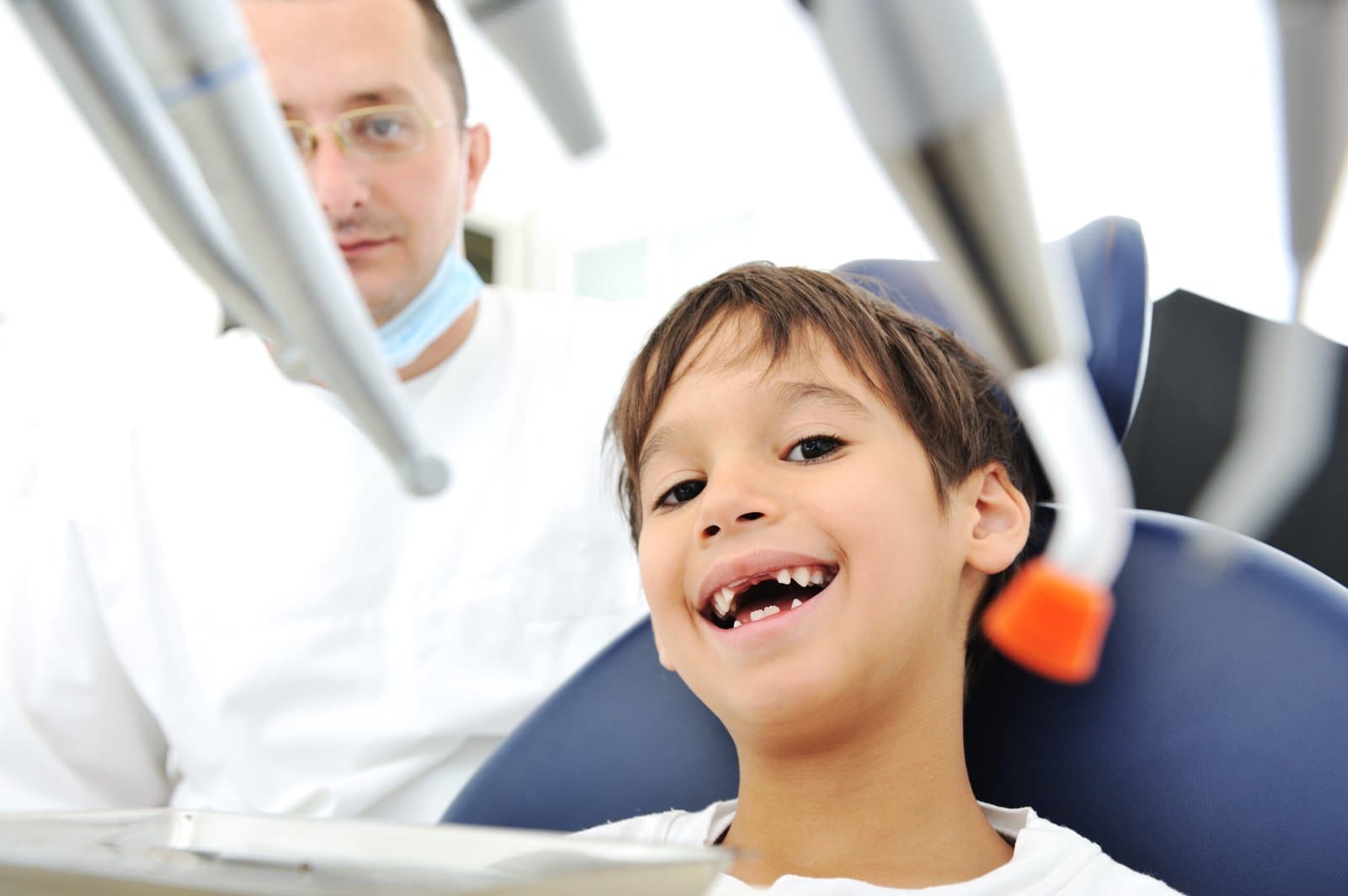
When is orthodontics necessary?
- Aesthetic concerns: One of the most common reasons patients turn to orthodontics is to correct the appearance of their smile. Misaligned or poorly positioned teeth can affect self-confidence and self-esteem. Orthodontic treatment can help achieve a straight, attractive smile, which is particularly important for teenagers and adults concerned about their appearance.
- Better oral health: Beyond appearance, orthodontics is essential for improving oral health. Misaligned teeth can be difficult to clean properly, which increases the risk of decay, gingivitis and other dental problems. Well-aligned teeth make daily oral hygiene easier, reducing the risk of oral disease.
How does orthodontic treatment work?
Initial consultation and planning
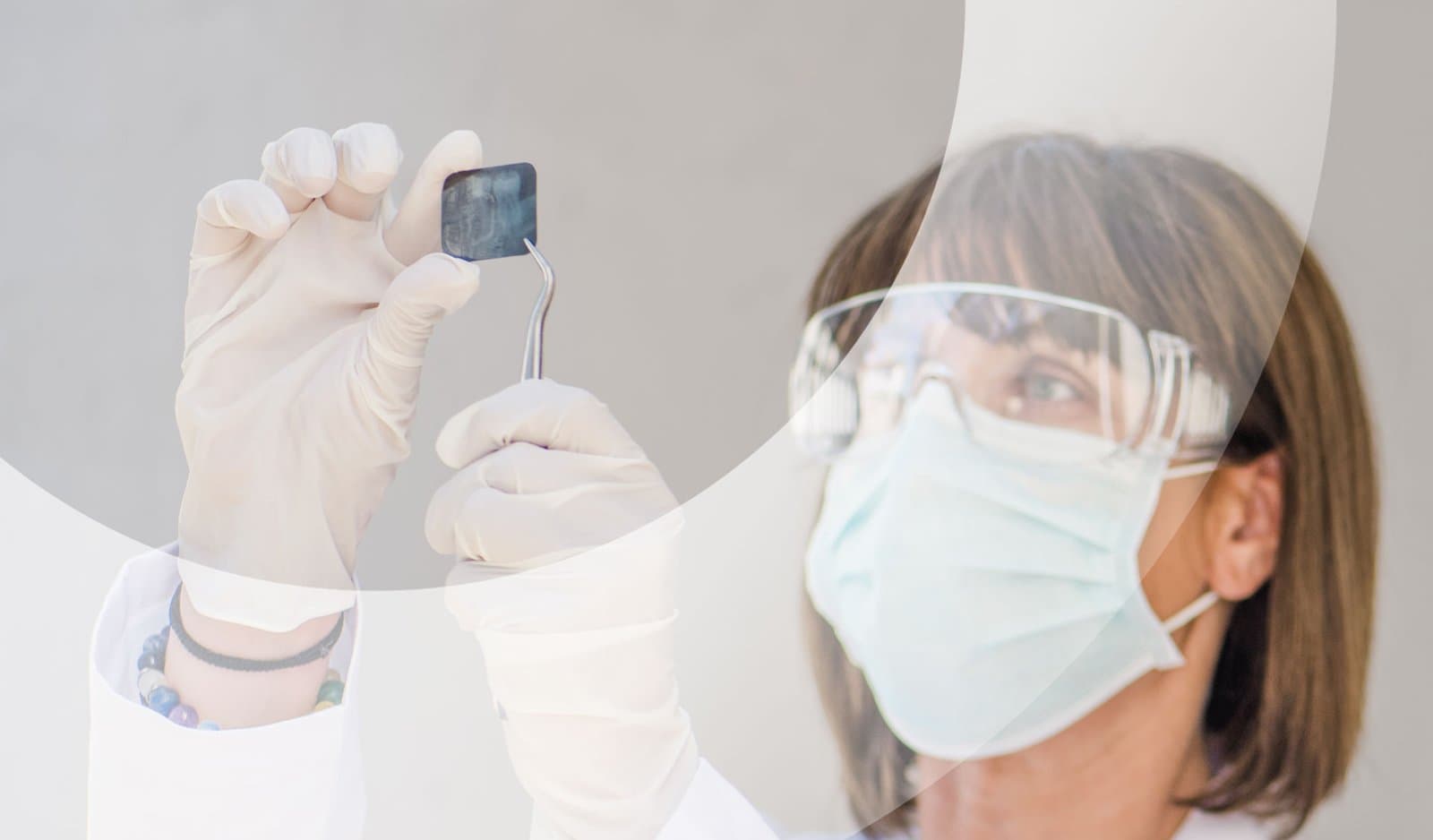
The process begins with a consultation with an orthodontist, who will carry out a full clinical examination and take X-rays and dental impressions to assess the condition of the teeth and jaws. Based on this information, a personalised treatment plan is drawn up to meet the patient’s specific needs.
Fitting the orthodontic appliance
There are several types of orthodontic appliance, and the choice depends on the patient’s needs:
- Fixed appliances (braces): The most common type, made up of brackets bonded to the teeth and connected by a metal wire.
- Removable appliances: Such as clear aligners (for example, Invisalign), which can be taken out for eating or brushing your teeth.
- Functional appliances: Used mainly in children to correct jaw growth problems.
The appliance is usually fitted in a single session. The orthodontist bonds the brackets to the teeth and connects them with a wire, which is adjusted regularly to move the teeth into the desired position.
Regular follow-up and adjustments
Throughout the treatment, regular appointments are needed to adjust the appliance and monitor progress. These adjustments ensure that the teeth are moving correctly and that the treatment plan is on track. The total treatment time generally ranges from 12 to 24 months, depending on the complexity of the case.
End of treatment and retention
Once the teeth are properly aligned, the appliance is removed. However, to maintain the results, it is often necessary to wear a retainer, which may be fixed or removable. This device helps stabilise the teeth in their new position and prevents any unwanted movement.
Benefits of orthodontics
- Improved appearance: A straight smile improves self-confidence and overall appearance.
- Oral health: Well-aligned teeth make brushing easier and help prevent decay.
- Improved function: Correcting a poor bite improves chewing, speech and breathing.
- Preventing complications: Early orthodontic treatment can prevent more serious problems in adulthood.